Do Not Ignore the Signs: Understanding and Treating Gum Disease for a Healthy Smile
Gum disease (periodontal disease) is one of the most common oral health challenges—and it affects people of all ages. If left untreated, it can lead to tooth loss, bone damage, and even systemic health issues. That is why recognizing the warning signs early and seeking expert care is critical.
At Dr. Jeffrey M. Falduto Family Dentistry, we emphasize a proactive, patient-centered approach to periodontal treatment. With over 30 years of service in Lincoln Park, NJ, and the surrounding communities, Dr. Falduto combines advanced dental technology with personalized care to help patients protect their smiles and overall health.
What Is Gum Disease?
Gum disease progresses in stages, starting with gingivitis, the inflammation of the gums caused by plaque buildup. When not treated, it can escalate to periodontitis, where the inner layer of the gum and bone pull away from the teeth, forming infected pockets.
Early treatment can reverse gingivitis, but periodontitis requires professional intervention. Our general dentistry services routinely screen for signs of gum disease to ensure early detection and treatment.
Common Symptoms and Risk Factors
Identifying the symptoms early can make a significant difference in treatment outcomes. Red, swollen, or tender gums may be a sign of early-stage gum disease. Bleeding during brushing or flossing is another common symptom that should never be ignored. Persistent bad breath or a bad taste in your mouth can indicate bacterial buildup in the gum pockets. Gum recession, where teeth appear longer than before, is often due to the loss of gum tissue. Loose or shifting teeth can result from advanced periodontitis, as the bone structure supporting them deteriorates. The presence of pus between the gums and teeth indicates an active infection that needs immediate attention.
Several risk factors contribute to the development of gum disease. Smoking is one of the most significant risk factors, severely affecting gum health and slowing healing. Poor oral hygiene habits, such as irregular brushing and flossing, allow plaque and tartar to accumulate. Genetics also plays a role; some individuals are more susceptible despite good oral hygiene. Chronic illnesses like diabetes can make it harder for the body to fight infections, including those in the gums. Hormonal changes during pregnancy, menstruation, or menopause can increase gum sensitivity. Lastly, medications that reduce saliva flow or affect gum tissue can elevate the risk.
Our preventative dentistry services focus on educating patients about these risks and how to mitigate them with proper home care and regular checkups.
How Gum Disease Affects Different Age Groups
Gum disease does not discriminate by age—it affects children, adults, and seniors in different ways. In children and adolescents, early signs of gingivitis can often be overlooked or mistaken for poor brushing habits. However, it is essential to recognize that even young patients can develop early gum inflammation due to plaque buildup, mouth breathing, or hormonal changes during puberty. In adults, lifestyle factors like smoking, stress, and inconsistent oral hygiene often contribute to the progression from gingivitis to periodontitis. Adults may also experience more advanced symptoms like gum recession and tooth sensitivity. Seniors are particularly vulnerable due to age-related health conditions and medications that affect saliva production, which can accelerate gum deterioration. Dry mouth, for example, creates an environment where bacteria thrive, making it harder to maintain healthy gums. At every age, gum disease demands tailored prevention and treatment approaches to maintain lifelong oral health.
The Link Between Gum Health and Overall Wellness
Periodontal health is closely tied to systemic health. Studies show a strong association between gum disease and conditions like heart disease, stroke, diabetes, and even Alzheimer’s. The inflammation from chronic periodontal infections can contribute to broader health issues.
At our Lincoln Park office, we view periodontal care not just as a dental concern but as an essential part of whole-body wellness.
The Cost of Delaying Treatment
Delaying treatment for gum disease can result in significantly higher costs—both financially and physically. In the early stages, gingivitis may require only a standard cleaning and improved home care to resolve. However, if left untreated, the disease can advance into periodontitis, which requires deep cleaning procedures, such as scaling and root planing, and possibly surgical interventions like gum grafting or bone regeneration. Beyond the cost of treatment itself, patients risk losing teeth, which can lead to additional expenses related to dental implants, bridges, or dentures. Moreover, advanced gum disease can negatively impact overall health, contributing to chronic conditions that may incur their own medical costs. The emotional toll of tooth loss or chronic discomfort should not be underestimated either. Investing in preventive and early-stage periodontal care not only preserves your smile but also protects your long-term well-being and saves you from avoidable complications.
Comprehensive Periodontal Care in Lincoln Park, NJ
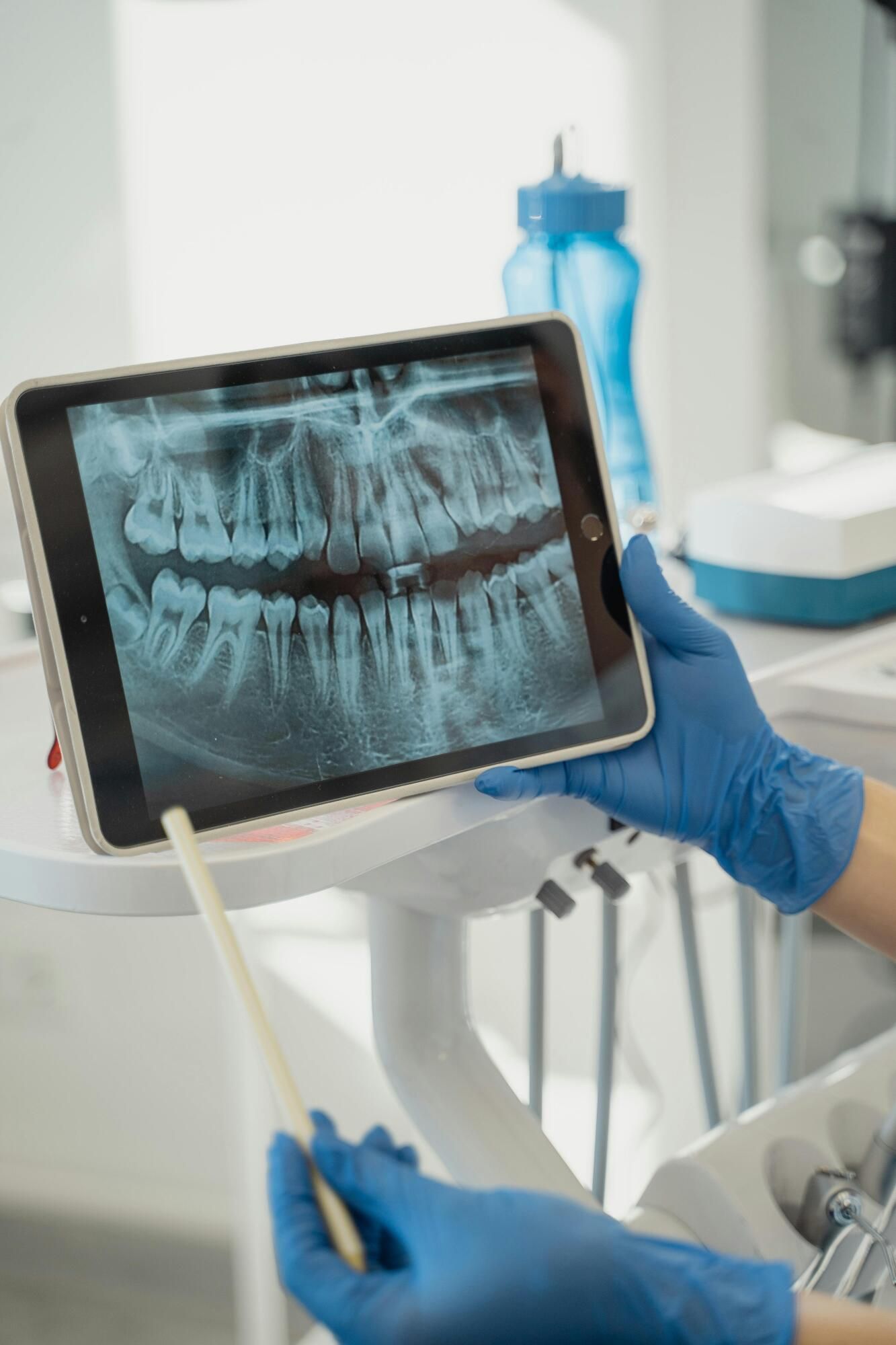
When patients visit our office with gum concerns, we begin with a comprehensive evaluation. This includes digital X-rays that provide detailed images of your teeth and jawbone, allowing us to detect issues not visible to the naked eye. Intraoral camera imaging gives us and our patients a real-time view of problem areas, facilitating better understanding and treatment planning. We also perform periodontal probing to measure the depth of pockets around each tooth, an essential indicator of gum health. Reviewing your medical history helps us identify any underlying conditions or risk factors that may be contributing to your gum issues.
We then create a personalized treatment plan. This might involve non-surgical methods such as scaling and root planing, which remove plaque and tartar from below the gum line and smooth the tooth roots to help the gums reattach. For advanced cases, surgical treatments like flap surgery or bone grafts may be necessary. You can explore more about our periodontal offerings on our gum disease treatment page.
Beyond Treatment: Periodontal Maintenance for Life
Treating gum disease is only the beginning. Long-term success requires ongoing maintenance. This includes professional periodontal cleanings every three to four months to manage bacterial levels and prevent recurrence. At-home oral hygiene guidance is provided to ensure you are using the proper brushing and flossing techniques. We also conduct regular re-evaluation of your periodontal status to monitor for any changes and make necessary adjustments to your care plan.
Our team integrates these services into your general care plan, ensuring continuity and monitoring through
routine visits that keep your gums and teeth healthy.
Home Care Tips to Support Periodontal Treatment
Maintaining gum health between dental visits is essential to the success of periodontal treatment. A consistent daily oral hygiene routine should include brushing with a soft-bristled or electric toothbrush for at least two minutes twice a day. Using a fluoride toothpaste and angling the brush at the gumline can help dislodge plaque and bacteria that collect in those areas. Flossing daily is equally important, as it removes debris and plaque from between the teeth where a toothbrush cannot reach. For patients with deeper pockets or a history of gum disease, interdental brushes or water flossers can offer enhanced cleaning. Antibacterial or therapeutic mouth rinses, when recommended by your dentist, can reduce the bacterial load in the mouth and support healing. At Dr. Falduto’s office, we educate each patient on proper brushing and flossing techniques tailored to their unique gum condition, ensuring they have the tools and knowledge to maintain their progress at home.
The Role of Nutrition in Gum Health
Nutrition plays a crucial role in maintaining gum health and preventing periodontal disease. A well-balanced diet supports the body’s immune response, helping it fight off infections and inflammation in the gums. Foods rich in vitamin C, such as citrus fruits, leafy greens, and berries, are essential for maintaining strong connective tissues and preventing gum bleeding. Calcium-rich foods like dairy products, almonds, and broccoli strengthen the bones that support your teeth, reducing the risk of tooth mobility. Conversely, a diet high in refined sugars and processed foods encourages plaque formation, which is the leading cause of gum disease. Acidic beverages like soda and sports drinks can also erode enamel and irritate gum tissue. At Dr. Falduto’s practice, we often discuss dietary habits as part of a holistic approach to periodontal care, helping patients make informed choices that benefit both their oral and overall health.
A Dentist You Can Trust for Periodontics and More
Dr. Jeffrey M. Falduto, a trusted name in Lincoln Park since the 1980s, has built a reputation for exceptional care. A graduate of Fairleigh Dickinson Dental School, Dr. Falduto is affiliated with respected professional organizations, including the American Dental Association, the New Jersey Dental Association, and the Tri-County Dental Society. His commitment to advanced care is further demonstrated by his involvement in the American Association of Cosmetic Orthodontics, the Dawson Academy, and the Piper Education and Research Center.
This ongoing commitment to advanced education and technique is reflected in every patient experience.
Technology and Comfort in One Historic Location
Our office combines the charm of a beautifully restored historic building with the benefits of modern dental technology. We use digital X-rays for precise and fast diagnosis, intraoral cameras for detailed visual assessments, and laser dentistry for minimally invasive procedures. These technologies allow us to deliver accurate, comfortable, and efficient care to every patient.
We also offer amenities designed to reduce anxiety and create a positive dental experience for all ages.
Making Periodontal Care Affordable and Accessible
We believe everyone deserves a healthy smile. That is why we accept major insurance providers like Delta Dental NJ, Horizon BCBS NJ, and Cigna. For those without insurance, we offer flexible payment options and financing through CareCredit to ensure that cost is never a barrier to optimal dental care.
You can learn more about your options and what to expect during your visit by contacting our front desk or visiting our website.
FAQs About Periodontal Disease
Q: Is gum disease reversible?
A: In its earliest stage—gingivitis—gum disease is often reversible through professional dental cleanings and improved home care. Once it progresses to periodontitis, however, the condition cannot be reversed, only managed. With ongoing periodontal maintenance and proper oral hygiene, patients can prevent further progression and maintain healthy gums long-term.
Q: Does gum disease hurt?
A: Gum disease is often painless in its early stages, which is why many people do not realize they have it. As it advances, symptoms like gum tenderness, tooth sensitivity, and pain while chewing can develop. In severe cases, patients may also experience swelling or pus along the gumline.
Q: Can gum disease spread from one person to another?
A: While gum disease itself is not contagious, the bacteria that cause it can be transmitted through saliva. This means activities like sharing utensils, kissing, or using the same toothbrush can increase the risk of spreading those bacteria among family members or partners.
Q: Why do my gums bleed when I brush or floss?
A: Bleeding gums are one of the first warning signs of gum disease. Healthy gums should not bleed regularly. If you notice bleeding, especially accompanied by swelling or redness, it is essential to schedule an evaluation. Early treatment can prevent progression to more advanced stages of periodontal disease.
Q: What happens if gum disease is left untreated?
A: Untreated gum disease can lead to receding gums, bone loss, and eventually tooth loss. Beyond oral health, chronic inflammation from periodontal disease has been linked to conditions such as diabetes, heart disease, and respiratory illnesses. Seeking prompt treatment is essential for both your dental and overall health.
Take Action Today
Do not wait for the symptoms to worsen. Gum disease is a progressive condition, but with early detection and expert care, it can be controlled and even reversed.
If you are experiencing any signs of gum disease or have not had a checkup in a while, schedule an appointment with Dr. Falduto today. With our combined focus on
preventive,
general, and periodontal dentistry, we are your partner in lifelong oral health.