Protecting Your Family's Smiles: A Guide to Children's Dental Care & Prevention
As parents, one of the most important responsibilities we have is ensuring our children’s health and well-being. While many focus on their children's nutrition, exercise, and sleep, dental health often receives less attention. However, establishing healthy dental habits from a young age can set the foundation for a lifetime of bright, healthy smiles.
At Dr. Jeffrey M. Falduto’s Family Dentistry practice in Lincoln Park, NJ, we are dedicated to helping families maintain optimal oral health. Whether you are new to the area or looking for a trusted local dentist for your children, we want to provide you with the tools and information you need to protect your family’s smiles. In this guide, we will explore children’s dental care, how to teach your child to brush, the importance of preventive care, and more.
The Foundation of Children’s Dentistry
Children's dentistry focuses on the unique dental needs of growing kids, starting with their first visit to the dentist. As a parent, it is crucial to prioritize your child’s dental health from an early age to avoid future dental issues and to establish a healthy routine. At our office, we understand that kids need a comfortable, friendly environment to feel at ease, which is why we emphasize gentle care and make dental visits fun and engaging.
From the eruption of their first tooth, children need regular dental checkups to monitor their oral development. Dr. Jeffrey M. Falduto and his team specialize in providing high-quality care tailored to children’s needs, ensuring their teeth, gums, and mouths stay healthy as they grow.
Teaching Your Child to Brush: A Key to Preventive Care
One of the most important skills children need to learn is how to brush their teeth properly. For parents, this might feel like an ongoing battle, but with patience and the right tools, your child can master this vital habit.
Start by introducing brushing as part of their daily routine as soon as their first teeth emerge. Initially, you will brush for them using a soft toothbrush and a tiny amount of fluoride toothpaste. The American Dental Association (ADA) recommends that children brush their teeth at least twice a day, in the morning and before bed, to remove plaque and prevent cavities.
As your child gets older, please encourage them to take an active role in brushing. Here are a few tips to make brushing easier and more enjoyable:
- Use a child-friendly toothbrush with soft bristles and a small head for better maneuverability.
- Let them pick out their own toothbrush and toothpaste. This can make brushing feel more personal.
- Show them how to brush by gently guiding their hand properly. Help them understand the “two-minute rule”: spend at least 2 minutes brushing each time.
- Play fun songs or use a timer to make brushing more engaging.
- Lead by example! Brush your teeth alongside them to show that it is a shared activity.
By teaching these habits early, you set your child up for success in their oral health.
General Dentistry for Children: What to Expect
General dentistry encompasses a broad range of dental services, including regular checkups, cleanings, fillings, and more. In children’s dentistry, it is essential to monitor their oral health as they grow, ensuring their teeth and gums are developing correctly. At Dr. Falduto’s office, we provide a comprehensive range of general dentistry services tailored specifically for children.
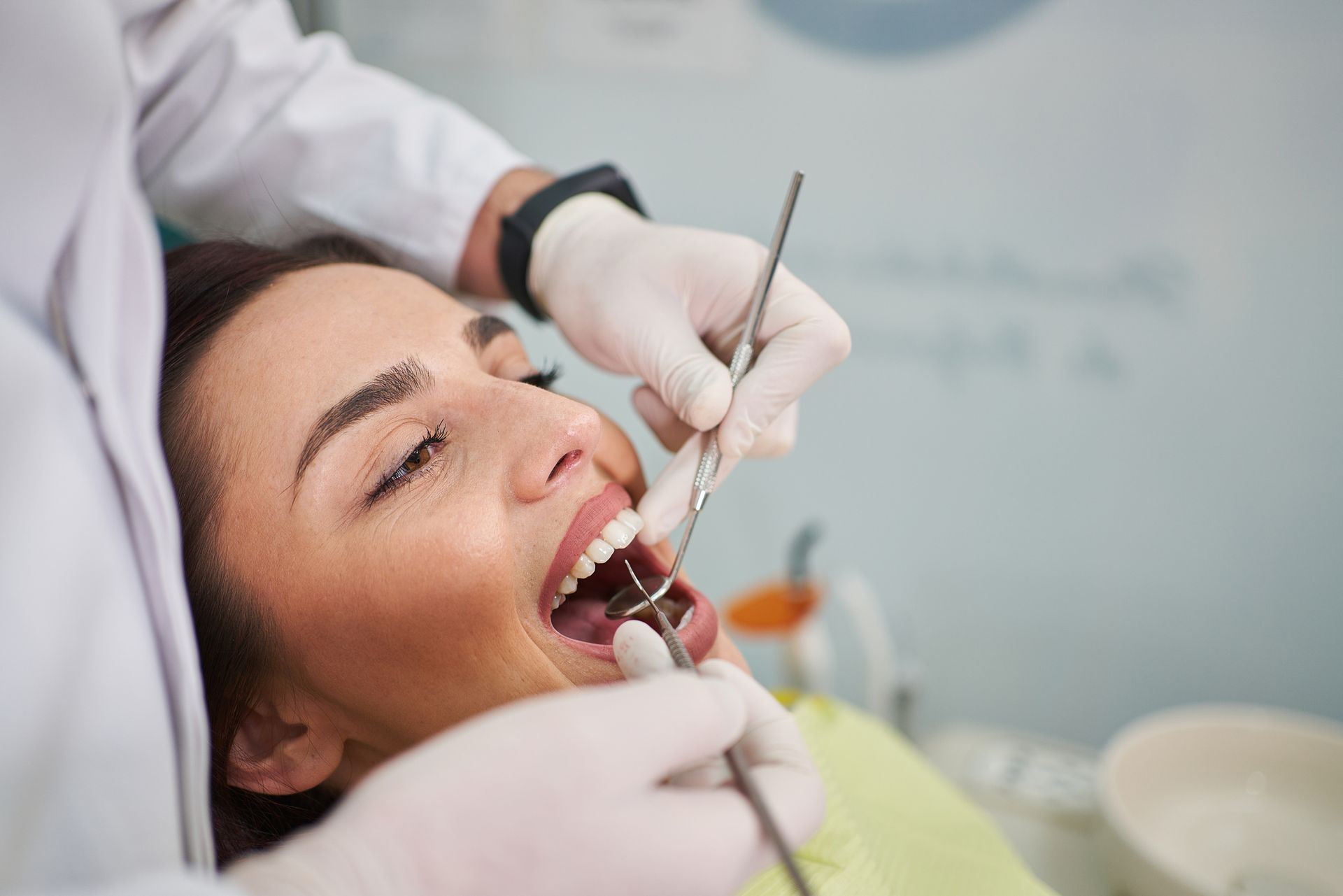
During each routine visit, our team will conduct a thorough examination to check for any signs of cavities, gum disease, or developmental issues. Cleanings are an essential part of these visits, as they remove plaque buildup and prevent tooth decay. Children are often more susceptible to cavities due to their diet and their difficulty with brushing effectively, so regular cleanings help reduce the risk of dental problems.
The Importance of Preventive Dentistry
Preventive dentistry is all about protecting your child’s oral health before problems occur. This includes regular dental exams, professional cleanings, fluoride treatments, and dental sealants. These measures are designed to prevent cavities and other dental issues, ensuring that your child’s smile stays healthy as they grow.
Fluoride treatments are essential for young children, as fluoride helps strengthen their developing teeth and provides additional protection against cavities. Dental sealants, which are thin, protective coatings applied to the chewing surfaces of the back teeth, also play a key role in preventing cavities by creating a barrier against food and bacteria.
Preventive care is not just about avoiding problems; it is also about educating your child on the importance of maintaining good oral hygiene at home. Encouraging habits such as brushing, flossing, and avoiding sugary snacks can help preserve their smile for years to come.
Why Routine Visits Matter
Routine dental visits are essential for children. The American Academy of Pediatric Dentistry (AAPD) recommends that children have their first dental visit by their first birthday or within 6 months of the first tooth appearing. These early visits help establish a dental home and ensure that any potential issues are caught early.
Regular dental checkups are essential for monitoring your child’s oral development, detecting cavities, and ensuring their teeth and gums are healthy. Dr. Falduto and his team are trained to address the unique needs of children, offering gentle, compassionate care that puts your child at ease.
By maintaining a regular schedule of checkups and cleanings, you are investing in your child’s long-term oral health. These visits also provide an opportunity for your child to ask questions and become familiar with the dentist, reducing dental anxiety and fostering a positive attitude toward oral health.
How Dental Sealants Can Protect Your Child’s Teeth
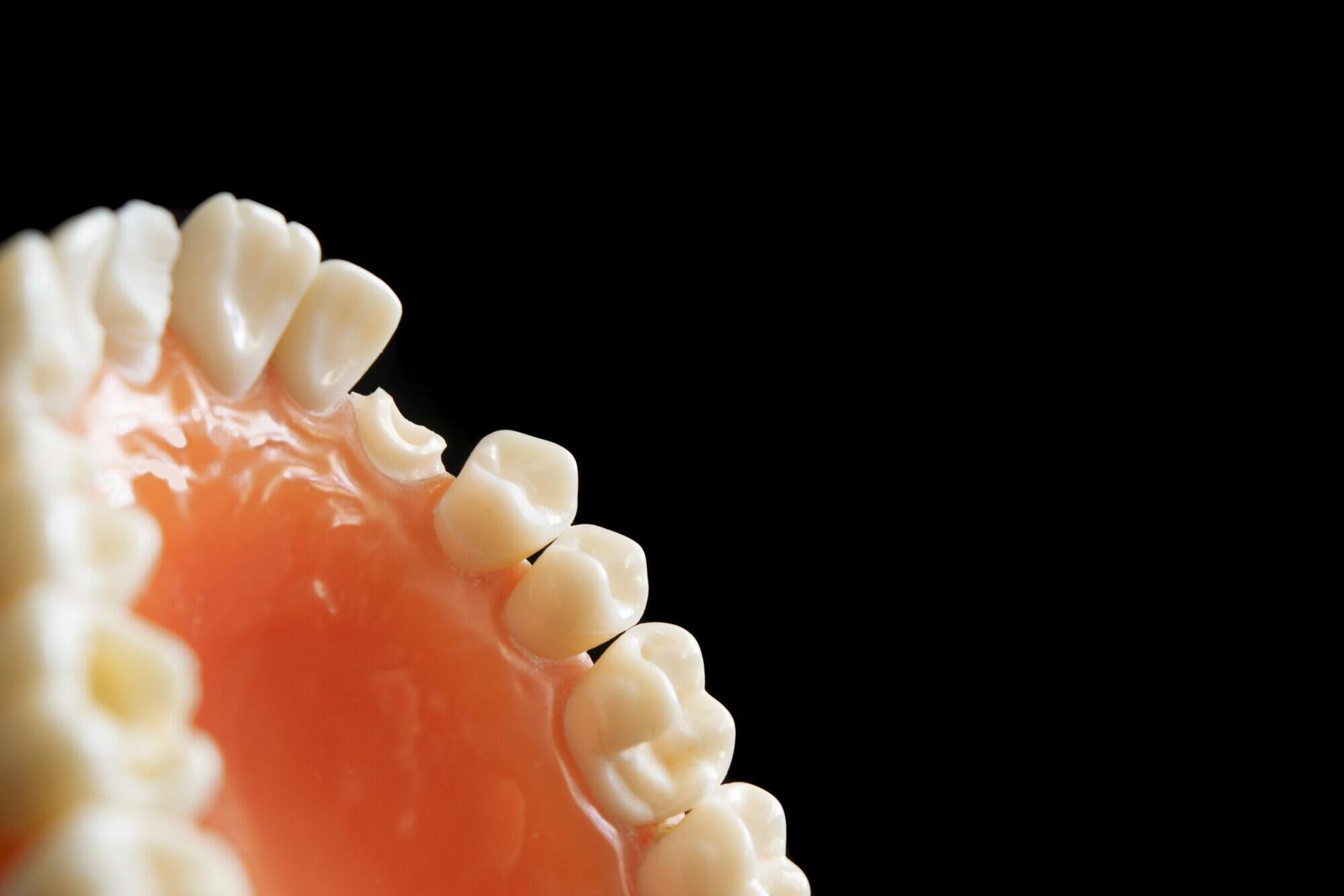
Dental sealants are a thin, protective coating that is applied to the chewing surfaces of the back teeth (molars), which are especially susceptible to cavities. These sealants act as a barrier, protecting the teeth from decay-causing bacteria and plaque buildup.
Sealants are most commonly applied to children’s molars, as these teeth have deep grooves that can trap food particles and bacteria. The process of applying sealants is quick, painless, and highly effective at preventing cavities. Research shows that dental sealants can reduce the risk of cavities by up to 80% in the first 2 years after application.
While sealants are not a substitute for regular brushing and flossing, they can be a great addition to your child’s preventive care routine, offering an extra layer of protection against tooth decay.
The Role of Diet in Children’s Oral Health
A healthy diet plays a crucial role in the development of strong teeth and gums. The foods your child eats can directly impact their dental health. High-sugar foods and beverages, such as sodas and candies, are the leading causes of cavities in children. These sugary treats feed the harmful bacteria in the mouth, leading to plaque buildup and, eventually, cavities.
To protect your child's smile, aim to provide a balanced diet rich in vitamins and minerals that support oral health, such as:
- Calcium-rich foods (milk, cheese, yogurt) can help strengthen tooth enamel.
- Fruits and vegetables (such as apples, carrots, and celery) help clean teeth and stimulate gums.
- Whole grains (brown rice, whole wheat bread) are less likely to stick to teeth and contribute to decay.
- Water is essential, especially after meals, as it helps wash away food particles and neutralize acids in the mouth.
It is also essential to be mindful of snacking. While healthy snacks like fruits and vegetables are excellent choices, sticky or sugary snacks can contribute to tooth decay. Please encourage your child to rinse their mouth with water after eating, especially after a sugary snack.
FAQ: Common Questions About Children’s Dental Care
1. When should I take my child to the dentist for the first time?
The first visit should be scheduled by the child’s first birthday or within six months of their first tooth eruption. Early visits help prevent future dental problems and introduce your child to a positive dental experience.
2. How can I help my child overcome a fear of the dentist?
Start by talking positively about dental visits and explaining the process in simple, reassuring terms. Some children may benefit from watching videos or reading books about dental visits before their appointment. At Dr. Falduto’s practice, we strive to create a welcoming, child-friendly environment that helps alleviate any fear.
3. Is fluoride safe for my child?
Yes, fluoride is safe and beneficial for children when used appropriately. It helps strengthen enamel and prevents cavities. Talk to your dentist about fluoride treatments and when they may be appropriate for your child’s age.
4. How often should my child visit the dentist?
Routine visits are generally recommended every six months, but this may vary depending on your child’s specific oral health needs. Your dentist will advise you on the best schedule for checkups and cleanings.
5. At what age can my child start brushing on their own?
Children typically develop the skills to brush independently around age 6, but they should be supervised until around age 8 to ensure they are brushing correctly.
6. How can I prevent cavities in my child’s teeth?
Cavities can be prevented by teaching your child to brush and floss regularly, limiting sugary snacks, ensuring they receive fluoride treatments, and maintaining regular dental visits.
Conclusion: Start Early for Healthy Smiles
Taking proactive steps to protect your child’s dental health is an investment in their future well-being. By introducing good oral hygiene habits early, scheduling routine dental visits, and prioritizing preventive care, you can help your child maintain a healthy smile for life. At Dr. Jeffrey M. Falduto’s Family Dentistry in Lincoln Park, NJ, we are here to guide you and your child through every step of the dental care process, ensuring their smiles stay bright, healthy, and confident for years to come.