Rebuilding Your Smile: What to Expect from a Full‑Mouth Reconstruction
A confident smile contributes to your overall health, self‑esteem, and quality of life. When dental issues accumulate over the years—such as missing teeth, worn‑down restorations, decay, or bite problems—a full‑mouth reconstruction can restore both function and beauty. For working adults in the Lincoln Park, NJ area seeking comprehensive smile restoration, understanding what a full‑mouth reconstruction involves and how to care for your teeth afterward can make the process more predictable and less intimidating.
At Dr. Jeffrey M. Falduto Family Dentistry, we blend decades of experience with modern dental technologies to help patients regain healthy, functional, and attractive smiles. With more than 30 years serving the community, Dr. Falduto and his team guide you through every step of the restoration process with compassion and personalized care.
What Is Full‑Mouth Reconstruction?
Full‑mouth reconstruction refers to a customized combination of dental treatments designed to restore the health, function, and aesthetics of your entire smile. Unlike a single treatment, like a filling or crown, this comprehensive approach addresses multiple dental issues at once, integrating both restorative and cosmetic procedures.
Whether you’re missing teeth, dealing with extensive decay, struggling with poorly fitting dentures, or facing bite issues that impact chewing and comfort, a full‑mouth reconstruction targets each concern in a coordinated treatment plan.
A full‑mouth reconstruction typically includes one or more of the following:
- Dental implants to replace missing tooth roots
- Crowns and bridges to restore damaged or absent teeth
- Dentures or implant‑supported prosthetics for full‑arch or partial replacements
- Inlays and onlays for conservative restoration of damaged tooth surfaces
- Oral surgery procedures, when necessary
Your unique plan depends on your oral health goals, current dental condition, and lifestyle.
Dental Implants: The Foundation for Restored Smiles
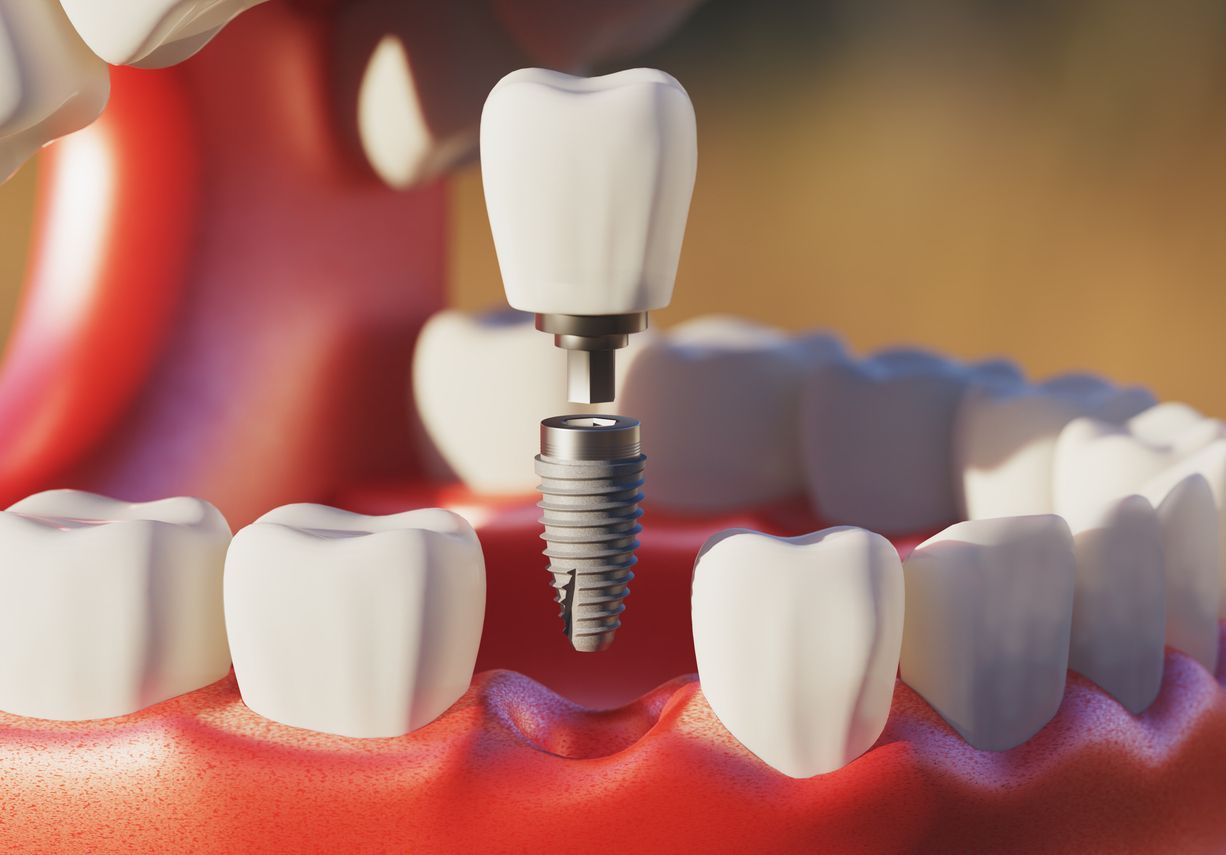
Dental implants are considered the gold standard in replacing missing teeth. Unlike removable dentures, implants are surgically placed into the jawbone and act as artificial tooth roots. Over time, they fuse with your bone, a process called osseointegration, creating a stable foundation for replacement teeth.
Implants can be used for single-tooth or multiple-tooth replacements, improving chewing ability and preserving jawbone health. Because they look and feel like natural teeth, many patients regain confidence and comfort after implant treatment.
All‑on‑4 Implants: Full‑Arch Restoration
For patients missing most or all of their teeth in an arch, All‑on‑4 implants offer a streamlined alternative to traditional dentures. This technique uses just four strategically placed implants to support an entire arch of prosthetic teeth. Benefits include:
- Faster treatment timeline
- Elimination of removable dentures
- Preservation of bone and facial structure
- Improved chewing function
By maximizing the use of your existing bone, All‑on‑4 often avoids the need for extensive bone grafting, making it an efficient solution for many adults seeking full‑mouth rehabilitation.
Crowns, Bridges, and Dentures
Full‑mouth reconstruction often combines implant dentistry with traditional restorations:
Dental Crowns
Crowns are tooth‑shaped caps that restore the shape, strength, and function of a damaged tooth. They protect weakened teeth after decay removal, root canal therapy, or fractures. When supported by implants, crowns complete the look and function of your new smile.
Bridges
Bridges literally “bridge” the gap created by missing teeth. They consist of replacement teeth anchored by crowns on adjacent natural teeth or implants. For patients with multiple missing teeth, bridges improve their bite and help maintain tooth alignment.
Dentures
Complete or partial dentures remain a viable option for replacing lost teeth. Today’s dentures are more comfortable and natural‑looking than ever, and when supported by implants, they stay secure and enhance chewing effectiveness.
Regardless of which option best fits your needs, our team is experienced in creating restorations that look and feel natural, harmonizing with your facial features and smile goals.
Inlays and Onlays: Conservative Restorations
When a tooth has moderate decay or damage that is too extensive for a traditional filling but not severe enough for a crown, inlays and onlays are excellent solutions. These restorations are crafted to match your tooth’s anatomy, strengthen it, and preserve as much healthy structure as possible.
An inlay fits within the cusps of your tooth, while an onlay extends over a cusp. Both are durable and can help prevent further breakdown of the tooth structure.
Oral Surgery in Full‑Mouth Reconstruction
Some patients require oral surgery as part of their comprehensive plan. This can include:
- Tooth extractions (including impacted wisdom teeth)
- Bone grafting to support implants
- Soft tissue procedures to improve gum health
While the idea of surgery can be intimidating, modern techniques and sedation options make these procedures more comfortable than ever. These steps ensure a strong foundation for long‑term success.
Who Is a Good Candidate for Dental Implants?
Dental implants can benefit many adults, but ideal candidates typically:
- Have one or more missing teeth
- Are in generally good health
- Have adequate bone to support the implant, or are willing to consider bone grafting
- Practice good oral hygiene
- Don’t smoke or are willing to quit during healing
During your consultation, the dentist will evaluate your oral health, bone structure, and personal goals. Advanced imaging allows precise planning and increases the likelihood of successful results. Even if you were once told you aren’t a candidate for implants, modern techniques like All‑on‑4 may still make them an option.
Practical Tips to Prevent Cavities and Protect Your Smile
Even after restorative work, maintaining good oral health is essential. Below are practical, everyday tips to minimize the risk of cavities and preserve your restored smile:
1. Brush Twice Daily
Use a fluoride toothpaste and brush for at least two minutes each session. Hold the brush at a 45‑degree angle to the gums and cover all tooth surfaces.
2. Floss Daily
Floss once a day to remove food particles and plaque between teeth and around restorations.
3. Choose Tooth‑Friendly Foods
Limit sugary snacks and drinks that feed cavity‑causing bacteria. Opt for crunchy fruits and vegetables that naturally clean teeth.
4. Stay Hydrated
Water helps rinse away particles and supports saliva production, which naturally protects teeth.
5. Don’t Skip Regular Cleanings
Routine dental exams and professional cleanings help remove hardened tartar and catch problems early, before they become bigger issues.
Our team emphasizes patient education and prevention, helping you understand at‑home care that supports long‑lasting oral health.
The Consultation Process: What to Expect at Your First Visit
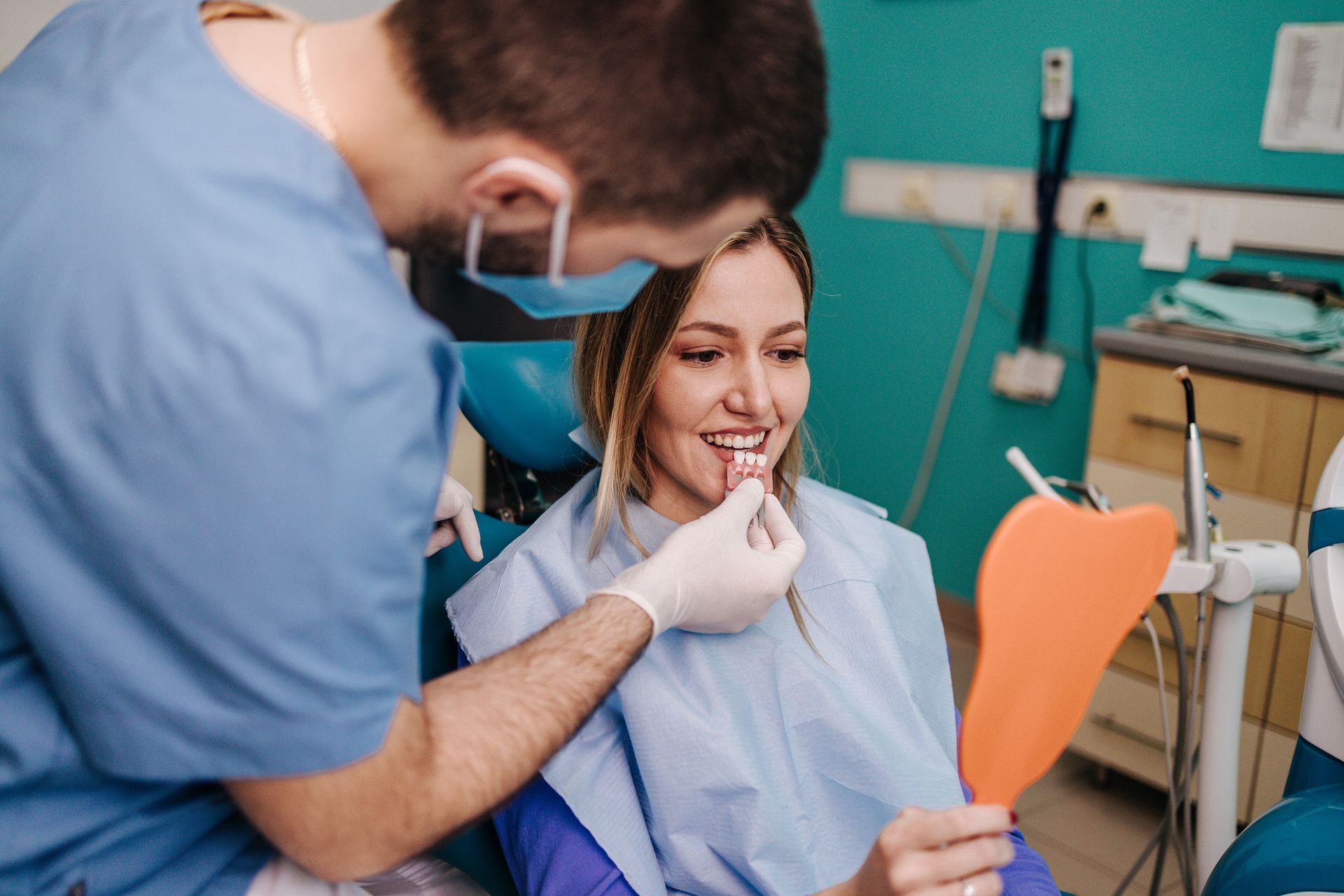
Before starting any full‑mouth reconstruction, we begin with a comprehensive consultation. This first visit is essential in developing a plan that’s tailored to your needs, goals, and lifestyle.
Here’s what you can expect:
- Oral health evaluation – A thorough exam of your teeth, gums, jaw joints, and bite
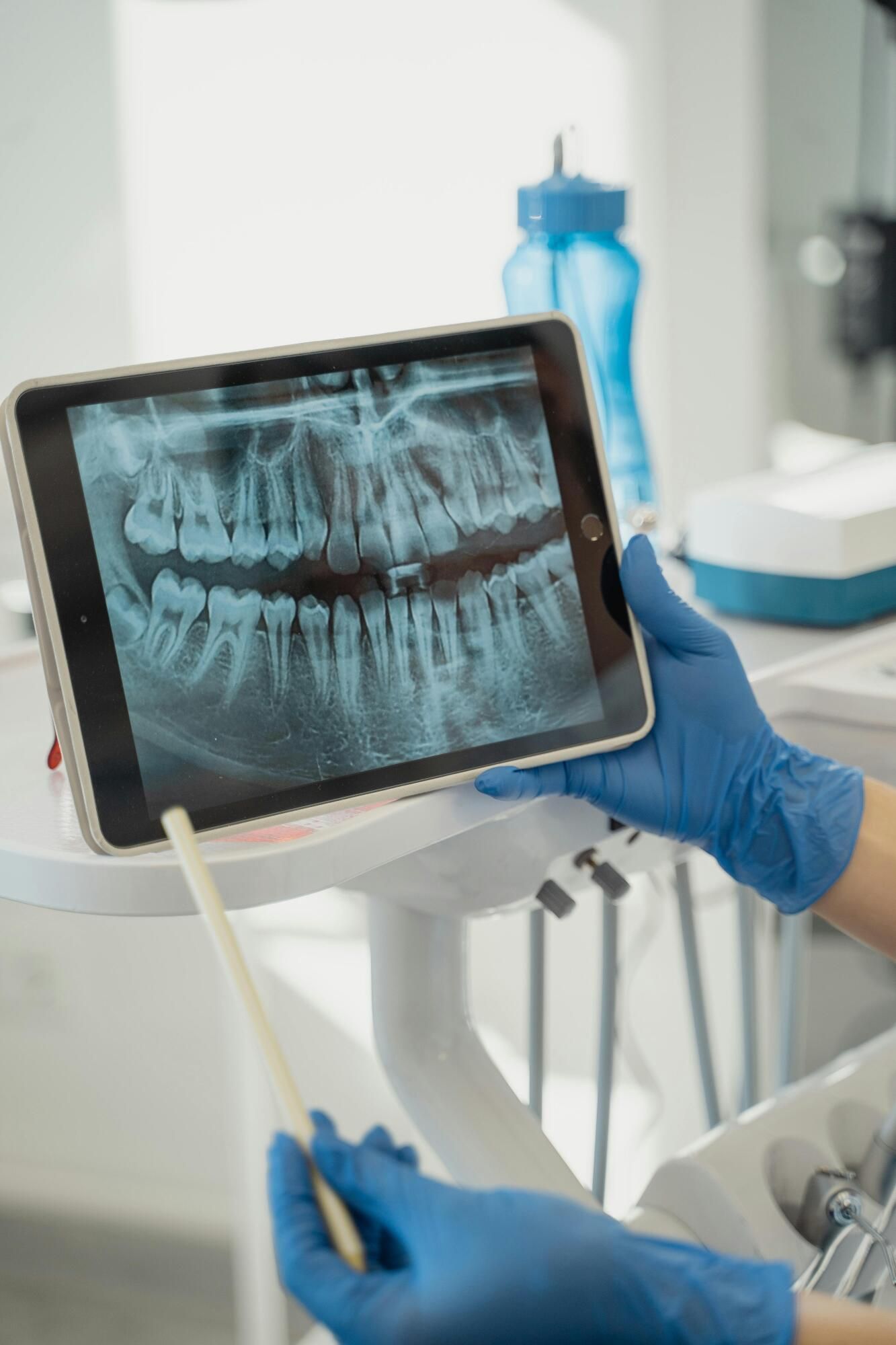
- Digital imaging and X‑rays – To assess bone levels, tooth structure, and alignment
- Medical history review – To identify any health conditions that may affect treatment
- Photographs and impressions – Used to analyze smile design, function, and aesthetics
- Discussion of goals – We take time to understand your concerns and ideal outcomes
- Treatment plan options – You’ll receive a personalized plan with clear explanations, timelines, and cost estimates
Many patients feel a sense of relief and clarity after this appointment, knowing they have a plan and a supportive team behind them.
How Full‑Mouth Reconstruction Can Improve Your Overall Health
Beyond aesthetics and oral comfort, full‑mouth reconstruction has broader implications for overall wellness. Poor dental health can contribute to or worsen other health conditions. Rebuilding your smile offers several systemic health benefits, including:
- Better digestion – Properly aligned and restored teeth allow for efficient chewing and nutrient absorption
- Improved speech – Missing or damaged teeth can affect pronunciation; restoring them supports clearer speech
- Reduced jaw pain and headaches – Bite correction can relieve strain on the temporomandibular joint (TMJ)
- Lower inflammation levels – Treating gum disease and infections reduces the body’s inflammatory burden
- Improved sleep and breathing – In some cases, correcting oral structures can aid in better nighttime breathing
When your mouth functions as it should, it positively affects how your body feels and performs throughout the day. A full‑mouth reconstruction isn’t just cosmetic; it’s foundational to long‑term wellness.
Life After Full‑Mouth Reconstruction: Adjusting to Your New Smile
Completing your full‑mouth reconstruction is an exciting milestone, but adjusting to a new smile is also a journey.
Here’s what patients often experience after treatment:
Physical Adjustments
- It may take time to get used to the feel of crowns, bridges, or dentures
- Minor changes in speech or chewing are common at first but improve quickly
- You’ll receive guidance on cleaning and caring for your restorations
Emotional Adjustments
- Many patients feel a boost in confidence, especially in social and professional settings
- Smiling and laughing may feel more natural and spontaneous
- Some describe the experience as “life‑changing” or “like getting a part of themselves back.”
Ongoing Support
We remain available for checkups, maintenance, and any questions that arise. Your smile isn’t just restored; it’s supported for the long haul.
FAQ: Full‑Mouth Reconstruction
Q: How long does the full‑mouth reconstruction process take?
A: Treatment length varies by individual needs. Some steps, like implant healing, require time, while other restorations might be completed in a few visits.
Q: Is full‑mouth reconstruction painful?
A: Comfort is a priority. Local anesthesia and sedation options help keep you comfortable during procedures, and post‑treatment discomfort is generally manageable.
Q: Will my new smile look natural?
A: Absolutely. Crowns, bridges, dentures, and implants are crafted to match your smile’s natural appearance.
Q: Does insurance cover full‑mouth reconstruction?
A: Coverage depends on your specific plan. Our team can assist with paperwork and discuss financing options.
Restore Your Smile With Confidence
Rebuilding your smile through full‑mouth reconstruction is an investment in your health, confidence, and overall quality of life. At our Lincoln Park, NJ dental office, you’ll receive personalized care rooted in decades of experience and a patient‑focused philosophy. From dental implants and crowns to dentures and inlays, every option is tailored with your comfort and goals in mind.
Ready to take the next step toward a healthier, more confident smile? Call our office today to schedule your consultation and learn how full‑mouth reconstruction can change the way you live, eat, and smile.