How Much Do Dental Implants Cost? A Breakdown of Factors in Lincoln Park, NJ

Dr. Jeffrey M. Falduto’s Family Dentistry • July 2, 2026

Dental implants can restore the appearance, strength, and function of a smile after tooth loss, but their cost is rarely represented accurately by one advertised number. The total investment depends on how many teeth need replacement, the health of the gums and jawbone, the type of restoration, the materials selected, and whether preparatory procedures are needed.


For patients in Lincoln Park, NJ, the most reliable way to understand dental implant cost is through a complete examination and itemized treatment plan. Dr. Jeffrey M. Falduto Family Dentistry offers free implant consultations and options, including single implants, implant-supported bridges, and All-on-4 treatment.


Why There Is No Universal Dental Implant Price

A dental implant is not simply a replacement tooth. It is a treatment system that may include three main components:


  1. The implant post placed in the jawbone
  2. The abutment that connects the implant to the restoration
  3. The crown, bridge, or full-arch prosthesis visible above the gums


The total may also include examinations, imaging, tooth removal, grafting, sedation, temporary teeth, and follow-up visits. Two patients replacing one tooth may receive different estimates because their bone support, tooth location, materials, and surgical needs differ.


Be cautious when an advertised fee appears unusually low. Ask whether it represents only the implant post or the completely restored tooth. A transparent estimate should explain each stage and identify which services are included.


The Number of Missing Teeth Affects the Cost

The number and location of missing teeth have a major influence on treatment planning. One implant can replace one tooth, but several missing teeth do not always require one implant for every tooth.


Single Dental Implant

A single implant typically supports one custom crown. This option can replace a missing tooth without relying on the neighboring teeth for support. The estimate may include the implant, abutment, crown, imaging, surgery, and follow-up care.


The location also matters. A front tooth requires careful attention to color and symmetry, while a back tooth must withstand greater chewing pressure.


Multiple Dental Implants

Several separate implants may be recommended when missing teeth are located in different areas. The cost increases with the number of implant sites, but treatment planning should focus on long-term stability rather than simply multiplying a single-tooth price.


When teeth are missing beside one another, an implant-supported bridge may provide another solution.


Implant-Supported Bridge

An implant bridge replaces multiple adjacent teeth using implants as anchors. For example, two implants may support a bridge containing several replacement teeth. This can reduce the need for an implant beneath every missing tooth.


Implant-supported bridges do not depend on neighboring teeth in the same way as some traditional bridges. Cost depends on the number of implants, bridge length, materials, and condition of the surgical sites.


How All-on-4 Implants Affect the Budget

All-on-4 implants, also called All-on-Four implants, are designed to replace a complete upper or lower arch using four strategically positioned implants to support a fixed full-arch restoration. This approach is intended for patients who are missing most or all of their teeth, have failing teeth, or struggle with loose removable dentures.


The total investment is considerably different from replacing a single tooth because the treatment may include extractions, four implant placements, sedation, a temporary prosthesis, several months of healing, and a final custom restoration.


All-on-4 may be more efficient than placing an individual implant for every missing tooth. Angled implant placement may also help the dentist use available bone and, in selected cases, reduce the need for extensive grafting. However, grafting may still be recommended when bone support is insufficient.


Patients should ask whether the estimate is for one arch or both arches and whether it includes temporary and final teeth. The materials used for the final prosthesis can also change the price.


Dental Implants in a Full-Mouth Reconstruction

Full-mouth reconstruction is a customized plan that restores several or all teeth when tooth loss occurs alongside decay, worn restorations, bite problems, gum disease, or damaged teeth.


Dental implants may form one part of the plan, but other services can include crowns, bridges, fillings, inlays, onlays, root canal treatment, periodontal care, oral surgery, or dentures. Because multiple procedures must be coordinated, the cost is based on the entire treatment sequence rather than one isolated service.


Full-mouth reconstruction is often completed in phases. Urgent problems may be addressed first, followed by implant placement, healing, and final restorations.


Bone Grafting and Other Preparatory Procedures

Dental implants need sufficient bone for support. After a tooth is lost, the surrounding jawbone may gradually shrink. Bone loss can also result from gum disease, infection, trauma, or long-term denture use.


A bone graft adds material to an area that lacks adequate volume. This creates an additional expense and may extend the treatment timeline because healing is often needed before implant placement.


Other preliminary services may include:

  • Extraction of a damaged or infected tooth
  • Treatment for active gum disease
  • Removal of infected tissue
  • Ridge preservation after extraction
  • Sinus-related grafting in the upper back jaw
  • Management of an existing failed implant or restoration


Not every patient needs these procedures. The dentist must evaluate the gums, bone, medical history, and implant location before providing a complete estimate.


Diagnostic Technology and Treatment Planning

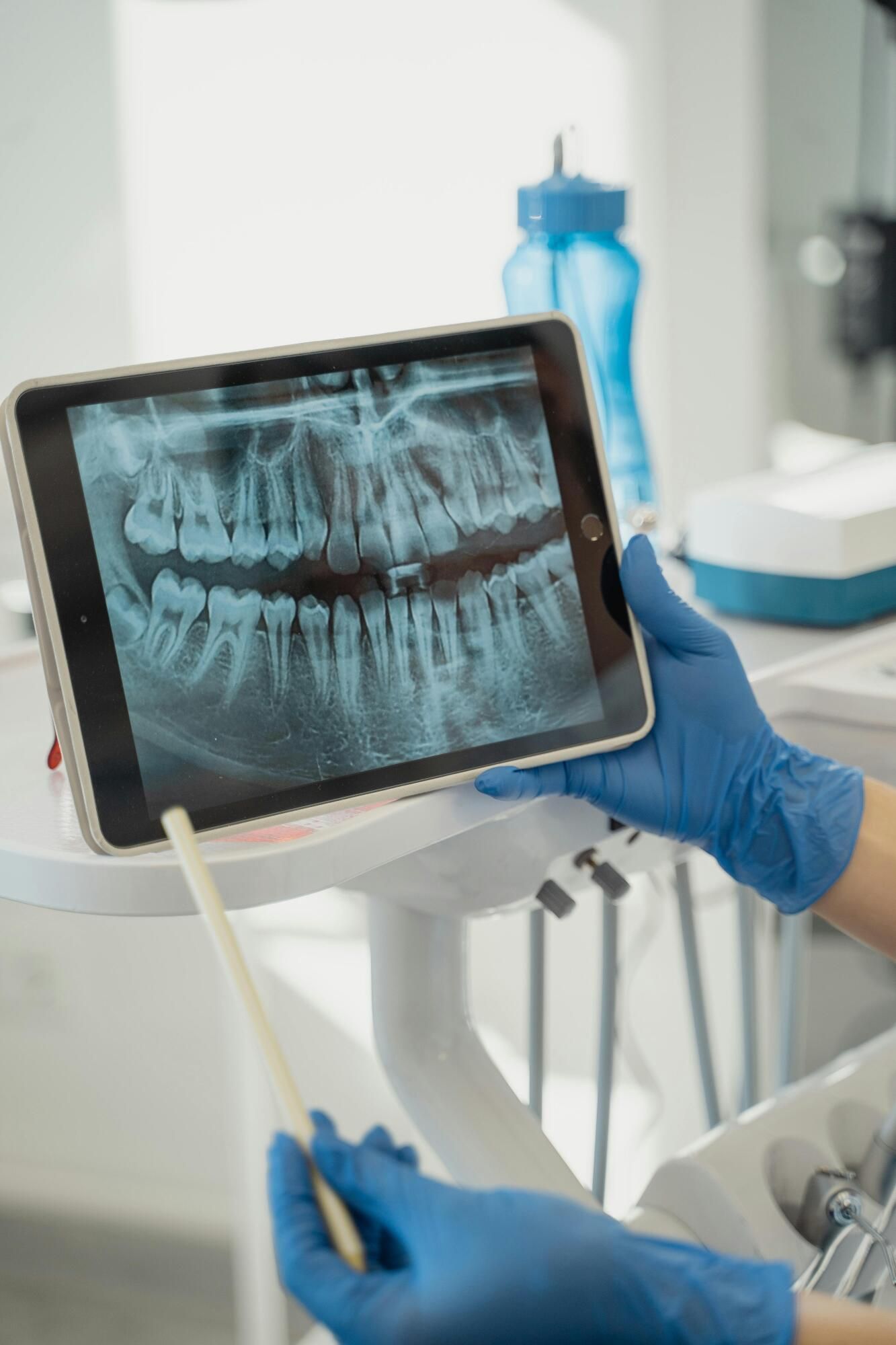
Accurate planning supports safer implant placement and a well-fitting restoration. The consultation may include an oral examination, digital X-rays, photographs, impressions, and digital scans.


Dr. Falduto’s Lincoln Park office uses digital X-rays and an iTero scanner, which creates three-dimensional scans of the teeth for treatment planning. The cost of diagnostic records may be included in the consultation or listed separately, so ask how the office structures its estimate.


Planning also includes reviewing medications, health conditions, tobacco use, past treatment, and expectations.


Materials and the Final Restoration

The implant post is only one part of the result. The quality, design, and material of the crown, bridge, or full-arch restoration also affect cost.


A replacement must be shaped to fit the bite and designed to blend with the surrounding teeth. Front restorations may require more detailed shade and contour work, while back restorations must tolerate heavier chewing forces.


For full-arch treatment, temporary teeth may be used during healing. Ask which materials are included and whether the proposed restoration is temporary or final.


Sedation, Comfort, and Surgical Complexity

Local anesthesia is commonly used during implant placement. Some patients may also need or prefer sedation based on anxiety, the number of procedures, or the length and complexity of the appointment.


More complex treatment involving multiple implants, extractions, grafting, or full-arch reconstruction can affect professional fees, anesthesia needs, and the number of appointments. Your estimate should explain which comfort services are included.


Dental Insurance and Financing

Dental insurance coverage for implants varies widely. A plan may contribute toward the examination, extraction, graft, crown, bridge, or another part of treatment while limiting or excluding the implant itself. Annual maximums, waiting periods, deductibles, and missing-tooth clauses may also apply.


Dr. Falduto’s practice welcomes Delta Dental of New Jersey, Horizon Blue Cross Blue Shield of New Jersey, and Cigna plans. The team can help patients understand benefits and file claims, but coverage remains subject to the individual policy.


The office accepts cash, checks, major credit cards, and CareCredit financing. Financing can divide the cost into payments, but patients should review approval requirements, promotional terms, interest, and the total amount repaid.


Comparing Cost With Long-Term Value

The least expensive treatment today is not always the least expensive over time. Dentures and traditional bridges may be appropriate, but each option has different maintenance and replacement needs.


Implants are designed to function as artificial tooth roots. They can support individual crowns, bridges, or full arches and may help maintain bone in the treated area. Their long-term value depends on careful planning, healthy gums, daily cleaning, regular checkups, and avoidance of tobacco.


Implant crowns and prosthetic teeth can wear or require repair even when the implants remain stable, so consider long-term care as well as the initial treatment.


Questions to Ask About Your Implant Estimate

Before committing to treatment, ask:

  • Does the price include the implant, abutment, and final restoration?
  • Are examinations, X-rays, and digital scans included?
  • Will I need extractions, grafting, or gum treatment?
  • Is a temporary tooth or a temporary full arch included?
  • What restoration material is recommended?
  • How many implants are needed and why?
  • What is the expected treatment timeline?
  • Are sedation and follow-up visits included?
  • Which portions may be submitted to insurance?
  • What financing options are available?
  • What maintenance and future replacement costs should I anticipate?


Written answers make it easier to compare treatment plans fairly.


Why Choose Dr. Falduto for Dental Implants in Lincoln Park?

Dr. Jeffrey M. Falduto earned his Doctor of Dental Medicine degree from Fairleigh Dickinson Dental School in 1985 and has served Lincoln Park families since 1988. He pursues continuing education and is affiliated with the American Dental Association, New Jersey Dental Association, Tri-County Dental Society of New Jersey, Dawson Academy, Piper-McKee Study Group, Piper Education and Research Center, and American Association of Cosmetic Orthodontics.


His practice offers single dental implants, implant-supported bridges, All-on-4 treatment, oral surgery, restorative dentistry, and full-mouth reconstruction. Patients can receive a free implant consultation and a personalized plan based on their health, goals, and budget.


Frequently Asked Questions About Dental Implant Costs

How Much Does One Dental Implant Cost in Lincoln Park, NJ?

There is no universal fee because the final total depends on the implant site, bone support, diagnostic records, abutment, crown, and any preparatory procedures. A complete consultation is needed for an accurate price.


Is the Crown Included in the Advertised Implant Price?

Not always. Some advertised prices cover only the implant post. Ask whether the quote includes the abutment, crown, surgery, imaging, and follow-up care.


Are Multiple Implants Charged Per Tooth?

Sometimes, but not every missing tooth requires its own implant. An implant-supported bridge can replace several adjacent teeth using fewer implants.


Is All-on-4 Less Expensive Than Individual Full-Mouth Implants?

It may require fewer implants than replacing every tooth individually, but it remains a comprehensive full-arch procedure. Costs depend on extractions, bone needs, temporary teeth, final materials, and whether one or both arches are treated.


Does Dental Insurance Cover Implants?

Some plans contribute toward parts of implant treatment, while others limit or exclude coverage. The office can request benefit information, but the insurer determines payment.


Can Dental Implant Treatment Be Completed in Phases?

Yes. Preparatory care, implant placement, healing, and final restorations often occur in stages. A phased plan may also help patients organize their budget.


How Long Does the Implant Process Take?

A straightforward case may take several months because the implant needs time to integrate with the bone. Grafting, extractions, full-arch treatment, or complex reconstruction can extend the timeline.


Are Dental Implants Worth the Investment?

For appropriate candidates, implants can provide stable, natural-looking tooth replacement and strong chewing function. Their value depends on health, treatment goals, maintenance, and how they compare with suitable alternatives.


Get a Personalized Dental Implant Cost Breakdown

The cost of dental implants should be based on a complete diagnosis, not a generic online number. The number of missing teeth, restoration type, bone support, materials, preparatory care, and insurance benefits all influence the total.


Dr. Jeffrey M. Falduto Family Dentistry provides free dental implant consultations in Lincoln Park, NJ. During your visit, the team can evaluate your smile, explain single and multiple implant options, discuss implant bridges or All-on-4 treatment, and prepare a personalized plan so you understand the expected procedures and investment before moving forward.
Dentist examines a smiling patient in a dental chair, using a mirror and tools in a clinic.
By Dr. Jeffrey M. Falduto’s Family Dentistry May 13, 2026
Learn how dental implants replace missing teeth, who qualifies, what All-on-4 implants are, and what to expect from implant dentistry in Lincoln Park, NJ
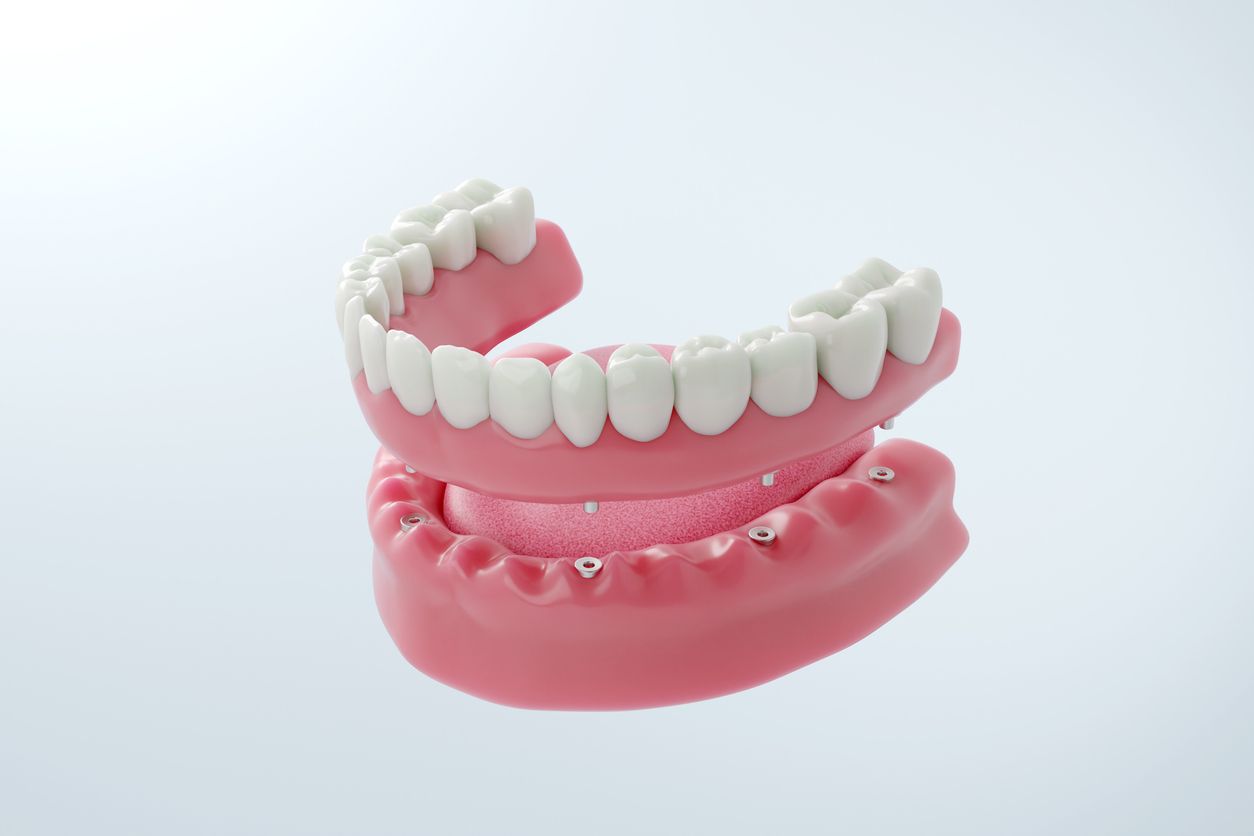
A set of dentures, pink base with white teeth, isolated on a light background.
By Dr. Jeffrey M. Falduto’s Family Dentistry February 24, 2026
Discover what to expect from full‑mouth reconstruction. Learn about dental implants, All‑on‑4, crowns, bridges, dentures, and cavity prevention tips in Lincoln Park, NJ.
Boy smiling at dentist during checkup; dentist and assistant in blue gloves.
By Dr.Jeffery M. Falduto Family Dentistry December 31, 2025
Learn how to protect your child's smile with proper dental care, including brushing tips, preventive treatments, and the importance of routine visits at Dr. Falduto's Family Dentistry.
Woman pointing at her lip, showing white teeth, smiling.
By Dr.Jeffery M. Falduto Family Dentistry October 31, 2025
Learn how to spot, treat, and prevent gum disease early. Protect your gums, teeth, and overall health with expert periodontal care in Lincoln Park, NJ.
Dentist examining a woman's teeth with instruments. Woman's mouth is open, in a dental office setting.
By Dr.Jeffery M. Falduto Family Dentistry August 20, 2025
Discover why routine dental exams in Lincoln Park, NJ, are essential for more than just clean teeth. Learn how Dr. Jeffrey M. Falduto’s trusted, patient-focused care supports long-term oral and overall health.
A woman in a yellow shirt is smiling and looking at the camera.
By Dr.Jeffery M. Falduto Family Dentistry June 16, 2025
Are you looking for transformative solutions to enhance your smile? Explore the best dental implants for single and multiple teeth with Dr. Jeffrey M. Falduto
By Dr.Jeffery M. Falduto Family Dentistry May 20, 2025
Teeth misalignment can cause a crooked jaw, leading to facial asymmetry, pain, and difficulty chewing or swallowing, impacting both health and self-esteem, according to Verywell Health. If you seek help straightening teeth without the drawbacks of metal braces, Invisalign offers a discreet and effective solution. Invisalign uses clear, removable aligners to shift teeth into place gradually. Unlike traditional braces, no wires or brackets allow easier cleaning and fewer dietary restrictions. This modern approach to orthodontic treatments appeals to many seeking cosmetic dentistry solutions. This guide will delve into the benefits of Invisalign, compare it to other teeth-straightening options, and provide insights into adult teeth-straightening methods. Understanding the differences between braces and aligners can help you make an informed decision about your smile. Read on for the lowdown. How Invisalign Works Invisalign relies on a custom series of aligners that guide your teeth into place over time. You wear each clear tray for about two weeks, then move to the next in the series. Your teeth slowly shift with gentle pressure. Most people wear them for 20-22 hours a day. Treatment usually lasts 12-18 months. You take the aligners out when you eat or clean your teeth, which simplifies daily care much more than traditional braces. Aligners stay nearly invisible on your teeth. You will not have to explain why you are suddenly straightening your smile. You also will not deal with brackets or wires breaking midday. Some benefits include: No food limits Easier brushing Less irritation Clear trays let you straighten your smile without changing your life. Comparing Braces vs. Aligners Braces use metal wires and brackets; aligners use clear plastic trays. Both shift your teeth over time, but the experience feels very different. Aligners do not require monthly tightening or emergency visits for broken hardware. Metal braces work well for complex shifts but are harder to clean and can feel bulky. Aligners give you more freedom, and many adults prefer them for comfort and appearance. When weighing braces vs. aligners, consider your lifestyle and commitment. Aligners must be worn nearly full-time to work well. Braces stay on your teeth; you do not remove them. Compare key differences: Removable vs. fixed Smooth vs. metal edges Subtle vs. visible Aligners may be better for mild or moderate shifts, especially in adults. Adult Teeth Straightening Options Many adults now seek straighter teeth without traditional orthodontic treatments. Invisalign fits well into work, social, and home life, and adults also appreciate that aligners will not draw attention. Beyond Invisalign, other teeth-straightening options include ceramic braces or lingual braces. Some people even try mail-order aligners, though those come with risks. You will want to work closely with a trained dentist or orthodontist. Adults often choose Invisalign for: Low-profile look Easy upkeep No metal brackets Invisalign works quietly behind the scenes. You can attend meetings, go out with friends, and handle daily routines without the feel or look of metal. Your adult smile deserves options that match your lifestyle and goals. Benefits of Cosmetic Dentistry Invisalign falls under the larger umbrella of cosmetic dentistry. This field focuses on improving the appearance of your teeth while also enhancing function. You may fix bite issues while also boosting your confidence. Cosmetic dentistry offers treatments like whitening, veneers, reshaping, and aligners. Invisalign is unique; it transforms your entire smile without major hardware. Over time, this kind of care can also help prevent decay or jaw pain. Common reasons people choose cosmetic treatments: Boost in confidence Long-term oral health Cleaner, straighter teeth With Invisalign, your dentist maps out each step digitally. You can even preview your smile before you begin. This customized care puts control in your hands. Cosmetic dentistry is not about vanity but about feeling at ease with your smile. Orthodontic Treatments Made Simple Orthodontic treatments used to mean years of brackets and wires. Invisalign changes that. It blends function and flexibility. You move at your own pace under your provider's care. Your dentist tracks your progress with occasional visits. No wires need tightening. Each aligner builds on the last; every week brings you closer to your goal. Modern orthodontic care focuses on: Comfort Speed Flexibility Invisalign gives you structure without rigidity. You can still speak, eat well, and easily clean your teeth. No drastic life changes are needed. Orthodontic treatments have evolved; you no longer have to settle for metal. Invisalign and Daily Life Wearing Invisalign does not interfere with your routine. You can remove the aligners during meals or brushing so no food gets stuck and no tricky flossing is needed. Aligners also fit snugly, which means they do not move when you talk or smile. Many adults forget they are wearing them after a few days. The trays do not rub or poke like metal wires, and most people find Invisalign easier to live with than expected. Cost and Accessibility Invisalign costs about the same as braces in most cases. Some dental offices offer payment plans, and insurance may cover part of the treatment. Your dentist can walk you through the estimate. Aligners are now more common in cosmetic dentistry offices. You will not need to visit a separate orthodontist in many cases. More dentists are trained to offer Invisalign than ever before. What to Expect at Your First Visit Your Invisalign journey begins with a digital scan: no sticky molds or trays, just a quick 3D image of your teeth. The dentist uses that scan to design a custom treatment plan and show you potential results. You will get your first set of aligners within a few weeks. The dentist will explain how long to wear them and what to expect. The process feels simple from the very first step. How to Straighten Teeth Without Metal Braces When considering how to straighten teeth , please do not believe it has to be all about wires and brackets. Invisalign gives you a flexible, nearly invisible way to align your smile with less hassle. You can straighten your teeth while keeping your daily routine intact. Dr. Jeffrey M. Falduto, a Gold Plus Invisalign Provider, offers dentist-led care backed by 30+ years of expertise and cutting-edge technology. Every treatment is tailored, comfortable, and guided by a trusted professional who delivers real results. Contact us today to experience expert Invisalign care built around your needs.
A woman in a green shirt is smiling with her eyes closed.
By Dr. April 25, 2025
Considering all-on-4 dental implants? Find out why they're a top choice in full-mouth dental reconstruction. Explore their advantages today.
By Dr.Jeffery M. Falduto Family Dentistry March 19, 2025
According to the NIH, the popularity of dental implants jumped by 5% over a decade. Tooth loss can significantly impact oral health and self-confidence. Whether due to aging, injury, or decay, missing teeth affect chewing ability, speech, and facial structure. Fortunately, modern dentistry offers several dental health solutions, with dental implants being one of the most effective and long-lasting options. This guide explores dental implants, their benefits, who qualifies for them, and how they compare to other tooth replacement options. If you are considering dental implants, it is essential to understand the process and determine whether this form of oral health improvement is the right choice for you. What Are Dental Implants? Dental implants are a permanent solution for missing teeth designed to replicate the structure and function of natural teeth. The implant is a small piece of titanium placed directly into the jawbone through surgery, allowing it to act as an artificial tooth root. Once healed, an abutment is attached to the implant, and a crown custom-made for your mouth is placed on top to create a natural appearance. Compared to traditional dentures or bridges, dental implants offer superior stability and longevity, making them a preferred choice for many patients. For more details on dental implants, visit DMD's Dental Implants Page . Benefits of Dental Implants One of the best dental implant benefits is their ability to function and feel like natural teeth. Unlike dentures, which can slip or cause discomfort, implants are securely anchored into the jawbone. This stability allows patients to chew and speak with confidence. Additionally, implants help prevent bone loss , a common issue following tooth extraction. The jawbone deteriorates when a tooth is missing due to lack of stimulation. Dental implants mimic the natural root structure, preserving bone density and maintaining facial integrity. Implants are also known for their durability. They can last for decades with proper care, making them a cost-effective option in the long run. Unlike dental bridges, which require the alteration of adjacent teeth, implants do not affect surrounding teeth. This preservation of natural tooth structure makes implants ideal for those seeking a long-term dental solution. Who Is a Good Candidate for Dental Implants? Not everyone is an immediate candidate for dental implants. Several factors determine whether a patient is suitable for the procedure. A good candidate typically has: Healthy gums Sufficient jawbone density to support the implant Only a few missing teeth Individuals with gum disease or significant bone loss may require additional treatments before implanting, such as bone grafting. Certain medical conditions, such as uncontrolled diabetes or osteoporosis, may impact healing and implant success. Smoking is another factor that can increase the risk of implant failure, as it affects the body's ability to heal after surgery. However, many patients can still qualify for implants with the right treatment plan and a commitment to good oral hygiene. If you are unsure whether you qualify, schedule a consultation with Dr. Jeffrey M. Falduro, DMD, for a personalized assessment . The Dental Implant Procedure: What to Expect The dental implant process involves multiple stages, typically several months, to ensure optimal healing and integration. The dental implant placement process begins with a thorough consultation and evaluation, including X-rays and impressions, to assess bone health and determine the most suitable implant approach. If the jawbone lacks sufficient density, a bone graft may be necessary to strengthen the area before placing the implant. Next, during the implant placement surgery, a titanium post is surgically inserted into the jawbone. Healing time typically ranges from three to six months, allowing the implant to fuse with the bone through osseointegration. Once healing is complete, an abutment is attached to the implant, acting as the connection point for the final crown. Finally, a custom-made crown is placed on the abutment, restoring both function and aesthetics to the treated area. For those missing multiple teeth, options like implant bridges and All-on-4 implants provide comprehensive solutions. Potential Risks and Drawbacks While dental implants have a high success rate, there are potential risks. Surgical complications, such as infection or nerve damage, are rare but possible. Additionally, implants require a more extended healing period than other restorative options, and the overall process can take several months. Cost is another consideration . Dental implants are more expensive than bridges or dentures, and insurance coverage varies. However, given their longevity and ability to prevent future oral health issues, many patients find them a worthwhile investment. Alternatives to Dental Implants While implants offer many advantages, they are also expensive. So, what are your alternatives? Dental bridges anchor missing teeth to adjacent natural teeth, filling the gap left by missing teeth. While effective, this option may require altering healthy teeth to accommodate the bridge. Dentures in partial or complete forms offer a removable and cost-effective solution for missing teeth but may not provide the same stability and comfort as implants. All-on-4 implants present a hybrid solution, replacing an entire arch of teeth using just four strategically placed implants. This method balances traditional dentures and full implants, providing a more stable and permanent option. Talk to a professional about choosing dental procedures; they can help you decide. For a detailed look at alternative treatments , visit Dr. Jeffrey M. Falduro, DMD's Implant Dentistry. Need Dental Implants? Visit Jeffrey M. Falduto Family Professional Dentistry Whether dental implants are the right choice depends on individual needs, oral health, and long-term goals. They indeed require a more significant initial investment in terms of: Time and cost Their durability Natural appearance But, the ability to preserve oral health makes them a superior option for many patients. If you are considering dental implants, consult with the Jeffrey M. Falduto Family Professional Dentistry team. Not only do we provide expert guidance, but we can provide the procedure in a safe, comforting environment. To learn more about the benefits of dental implants, get in touch with us today.
A dentist is looking at an x-ray of a patient 's teeth on a tablet.
By Jeffery M. Falduto Family Dentistry January 30, 2025
Find out how to act fast in dental emergencies and ease your pain. Learn what steps to take to protect your smile and ensure quality dental care.